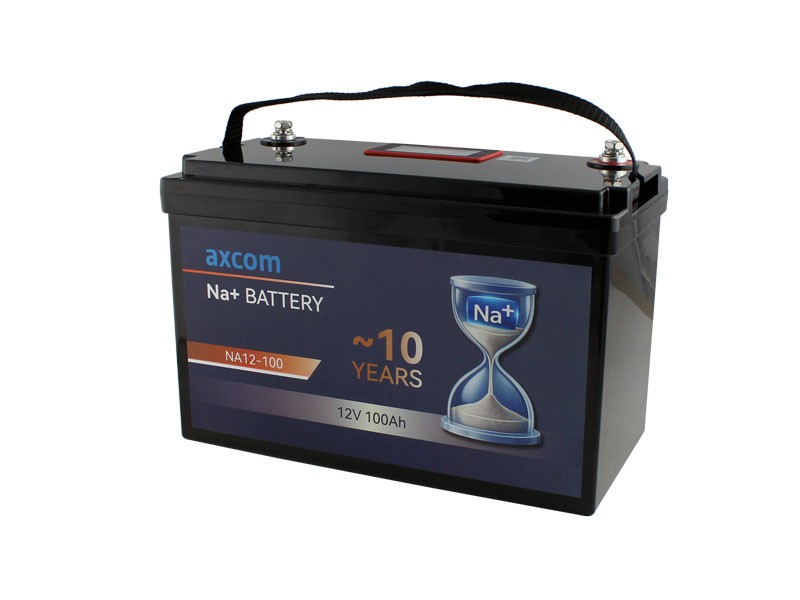
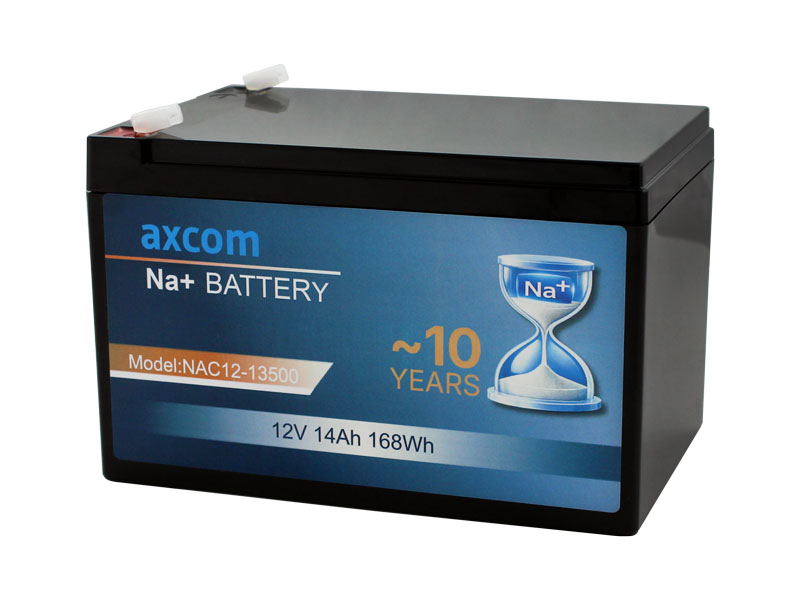
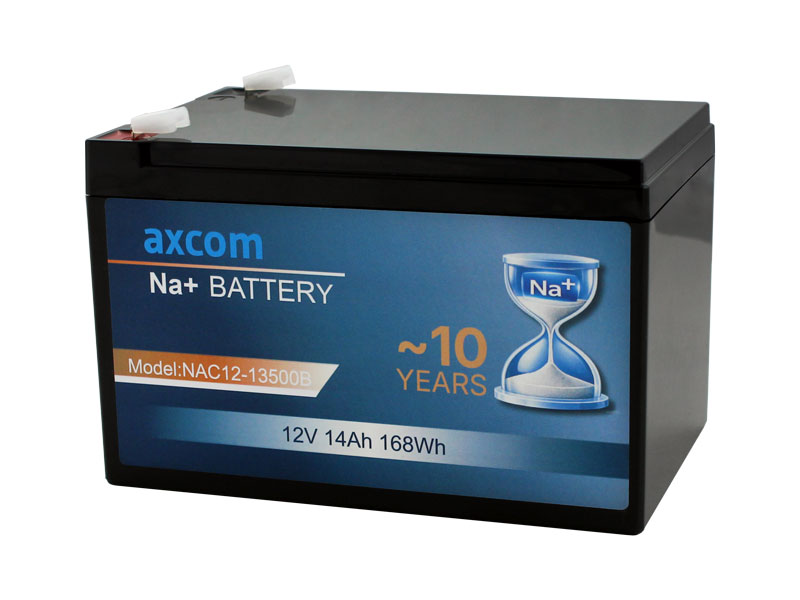
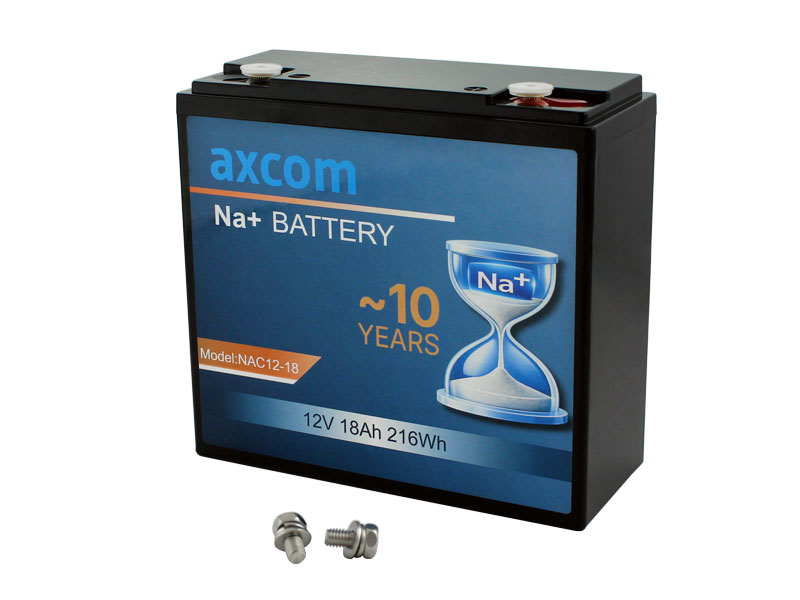
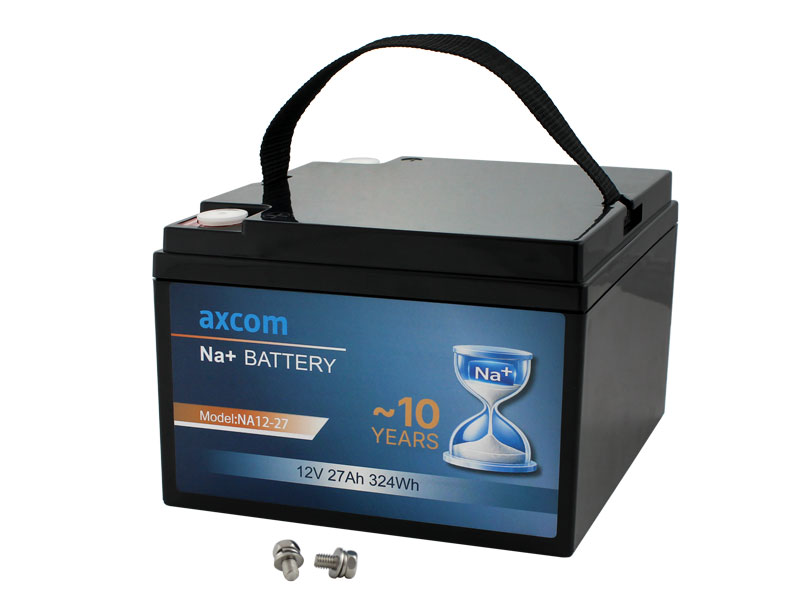
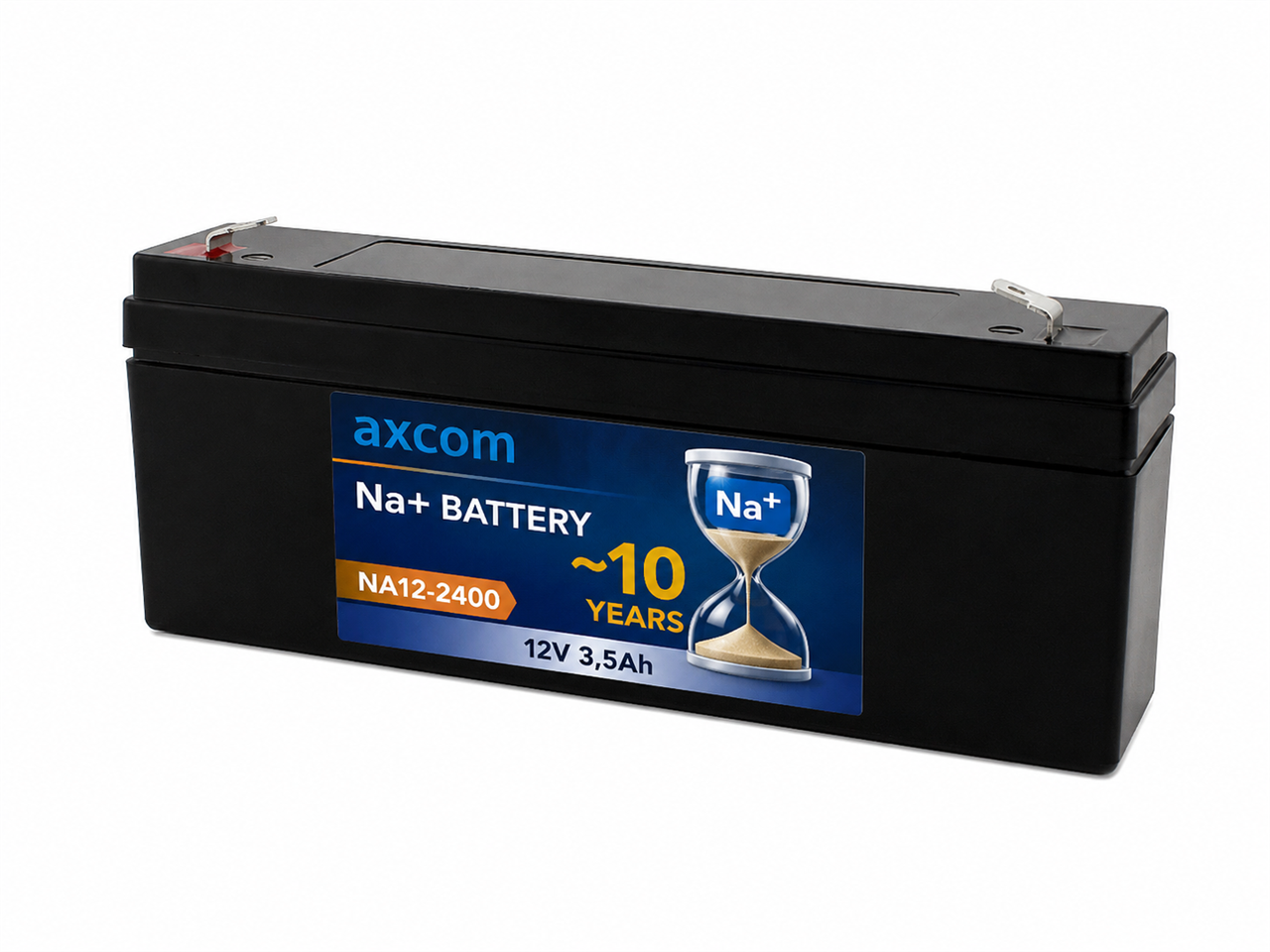
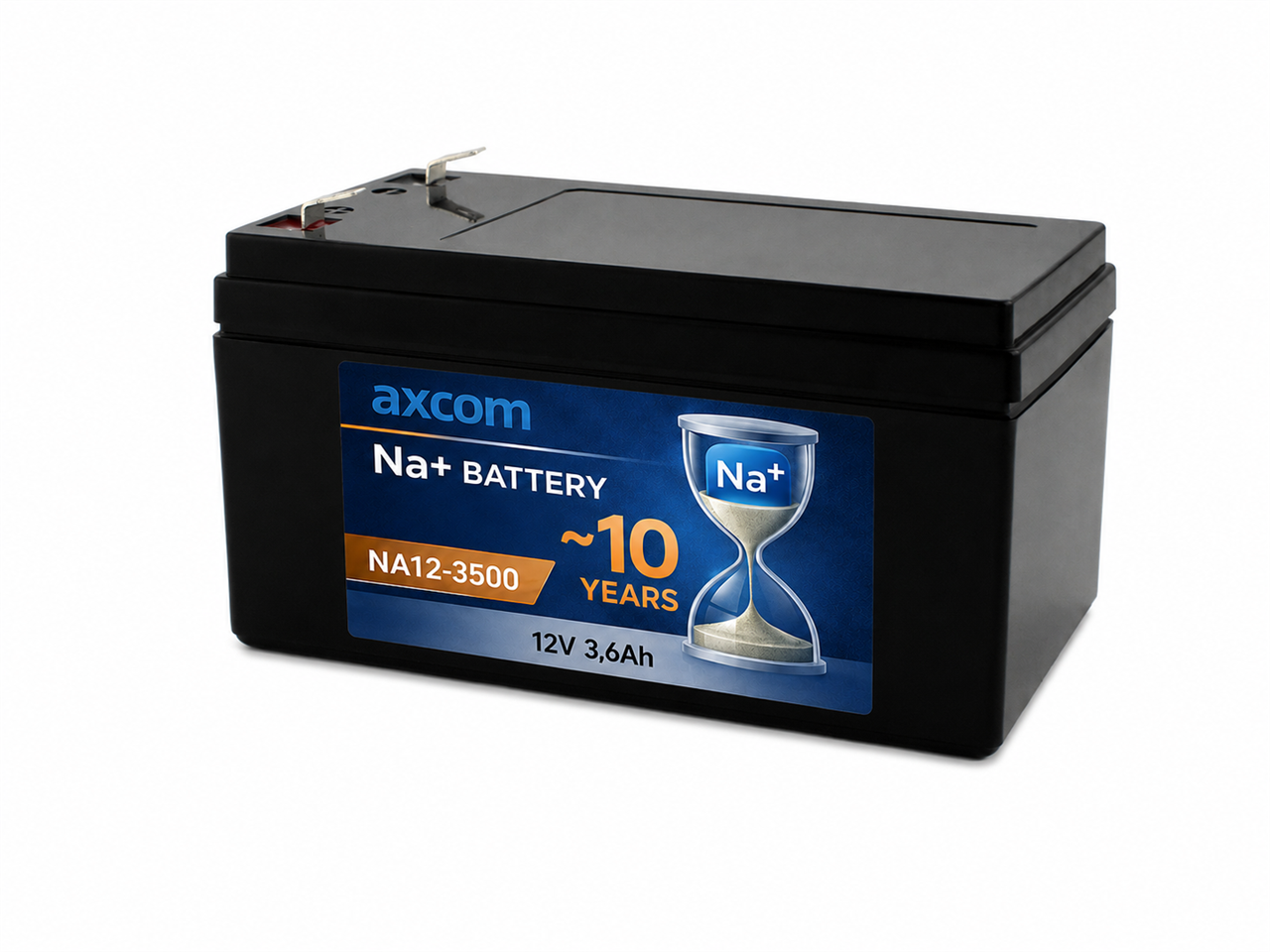
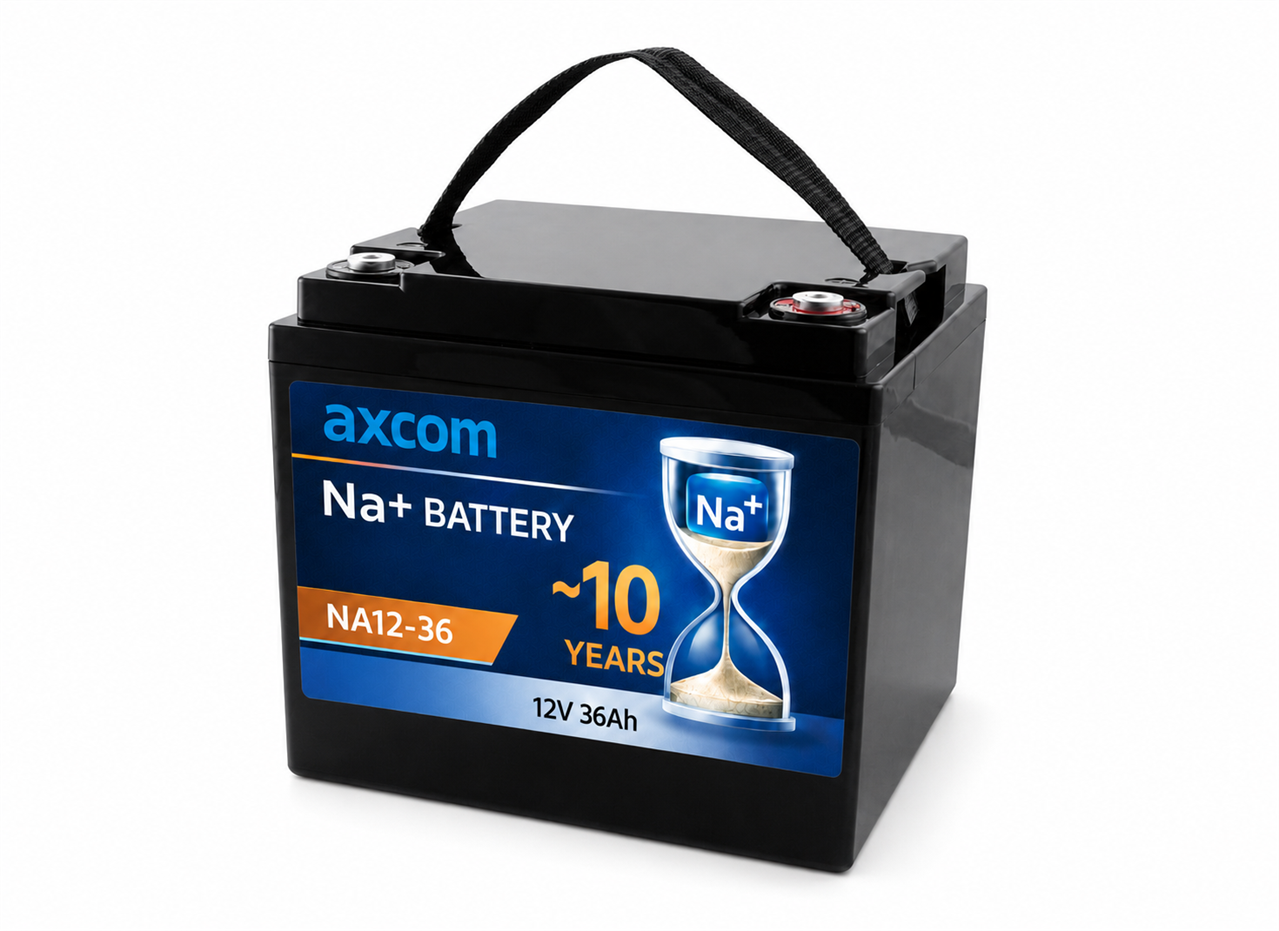
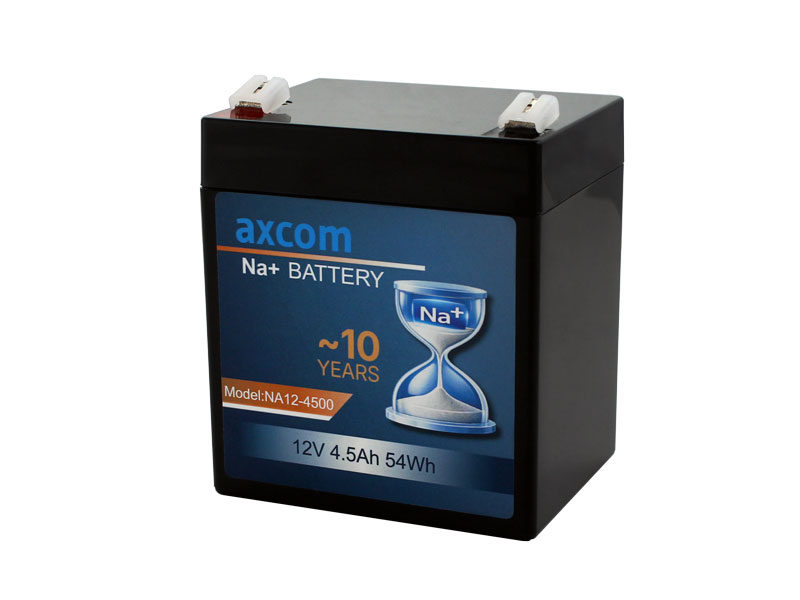
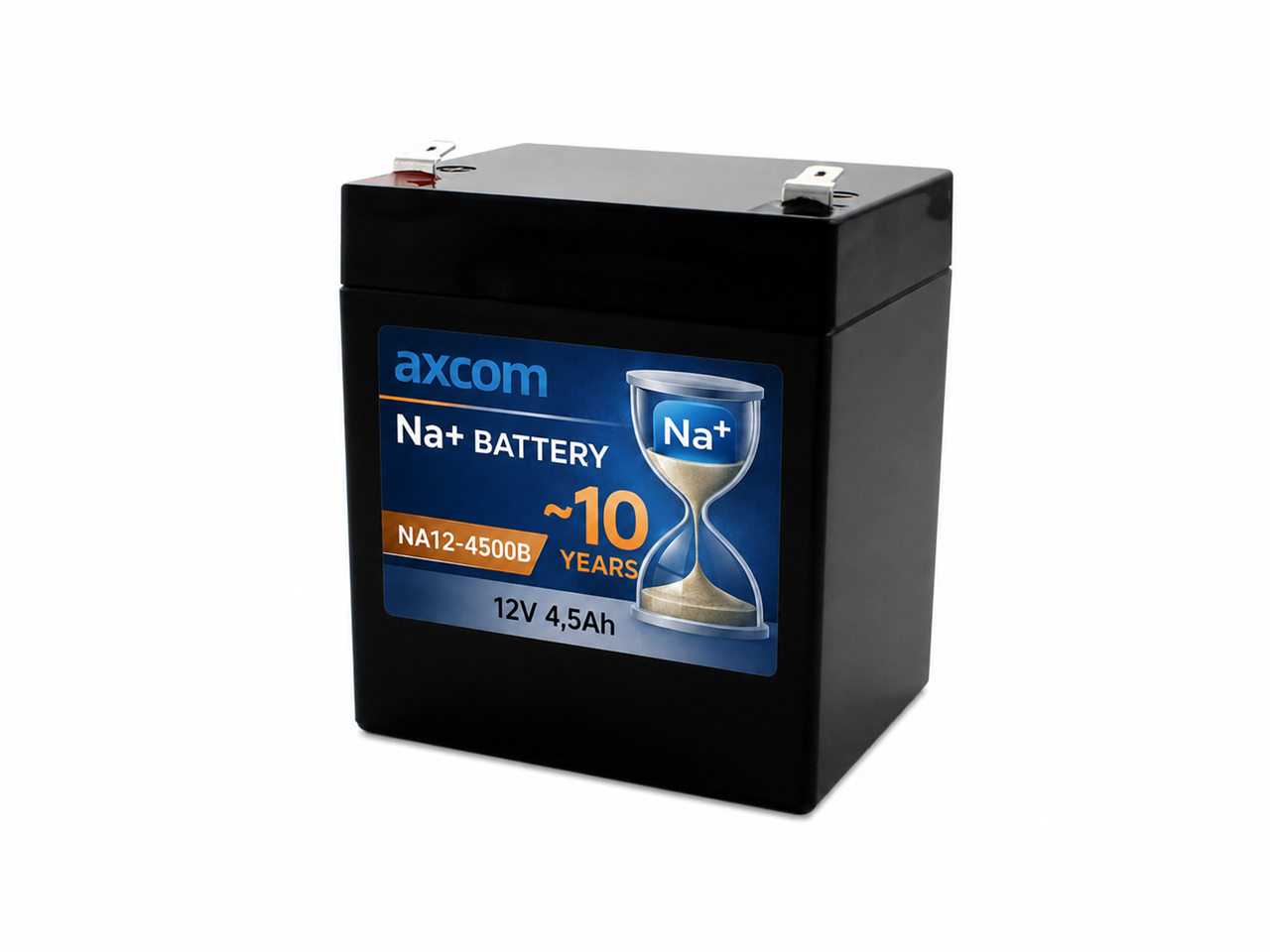
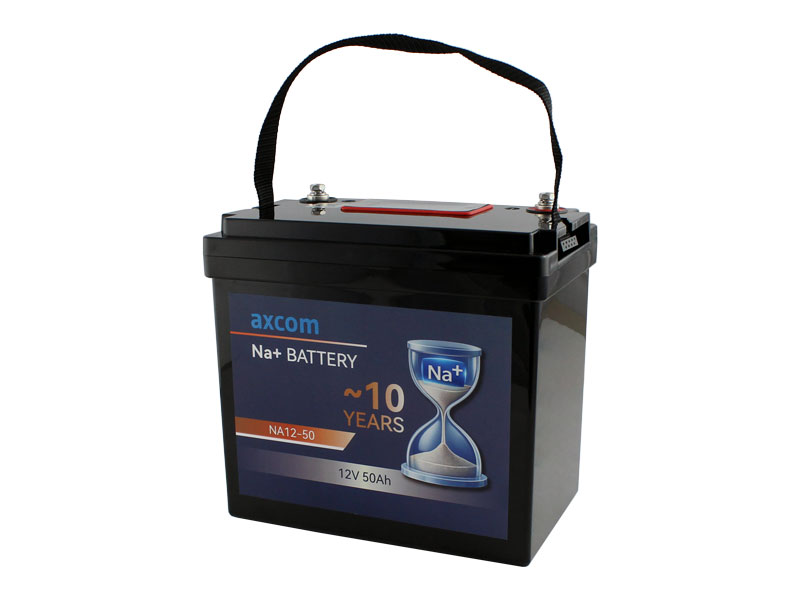
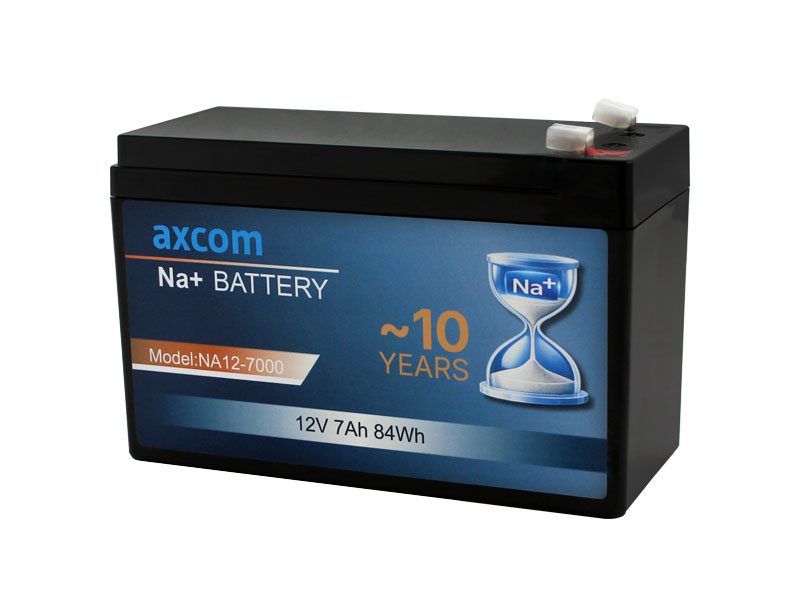
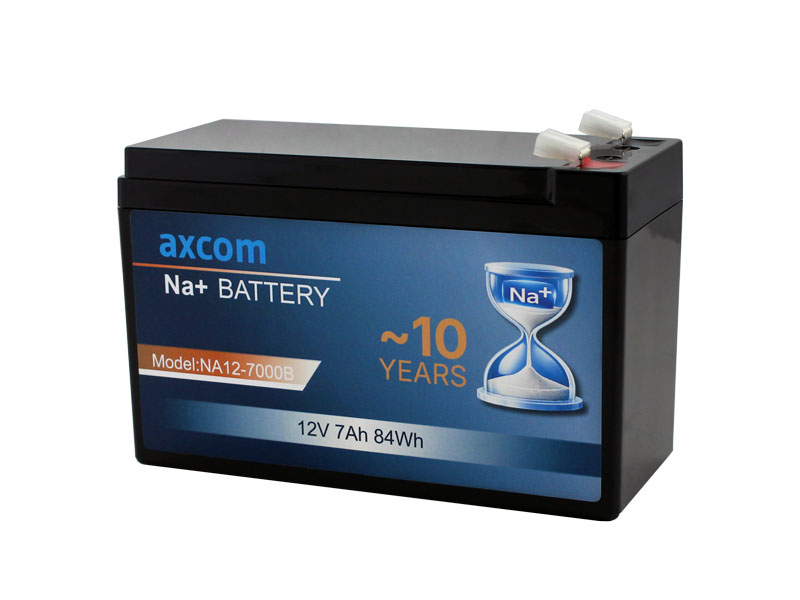
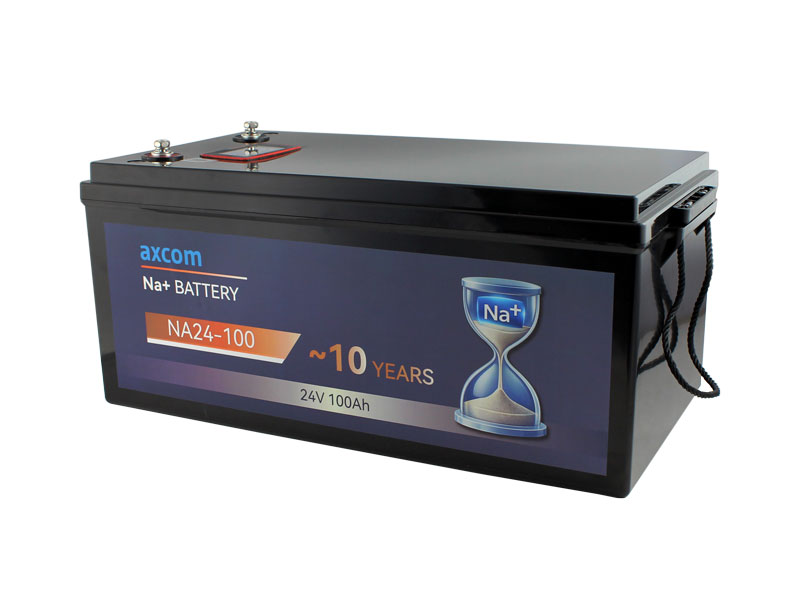
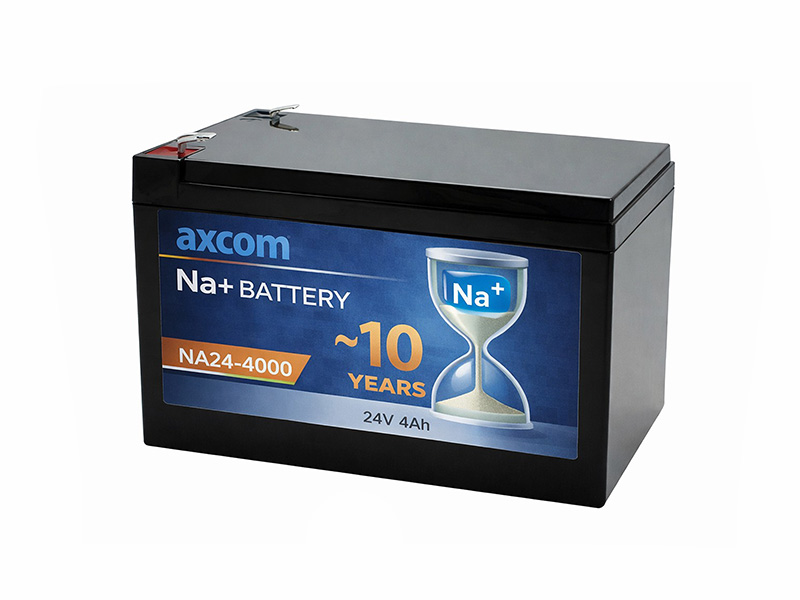
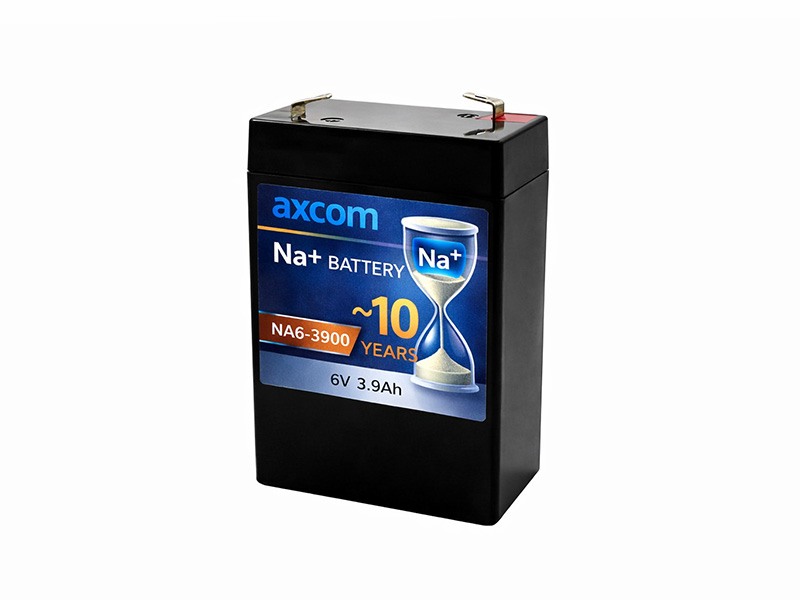
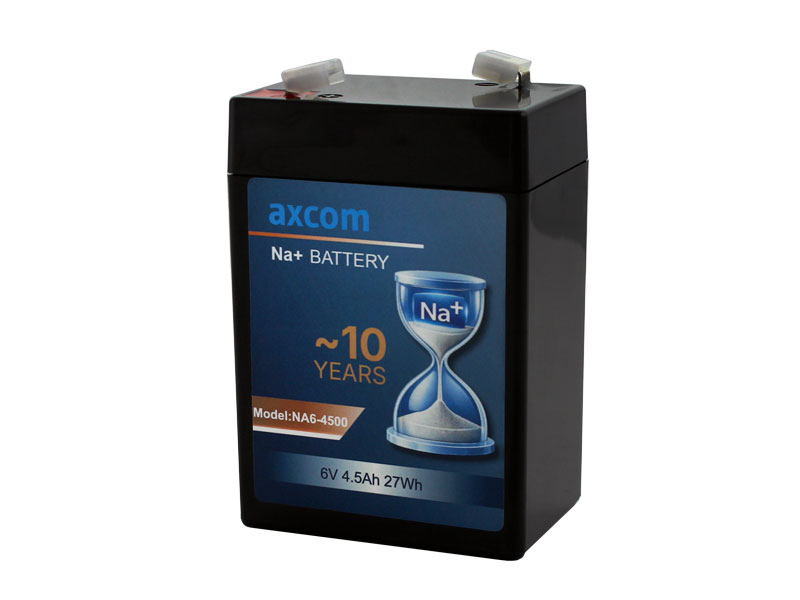
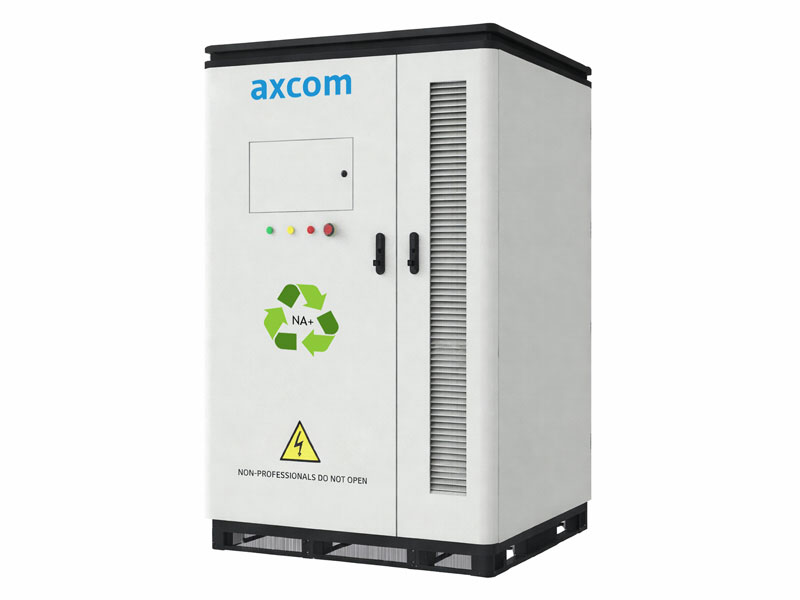
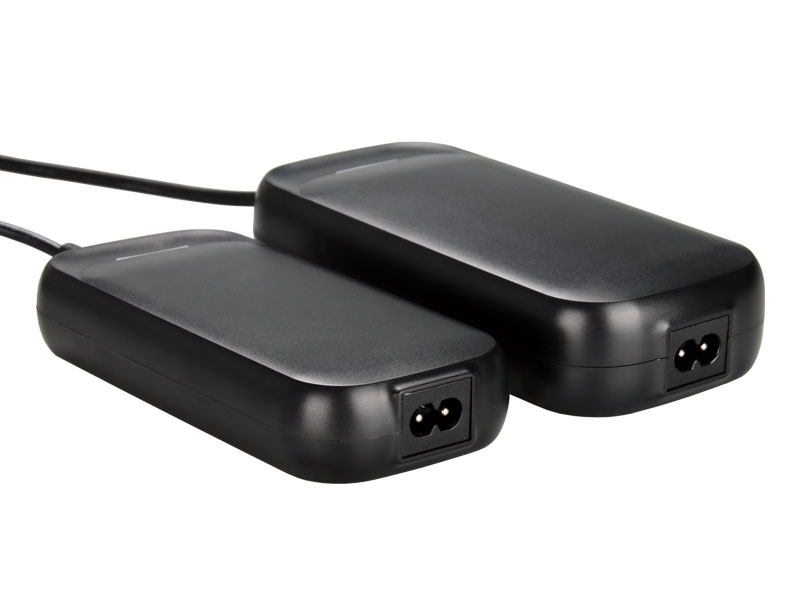
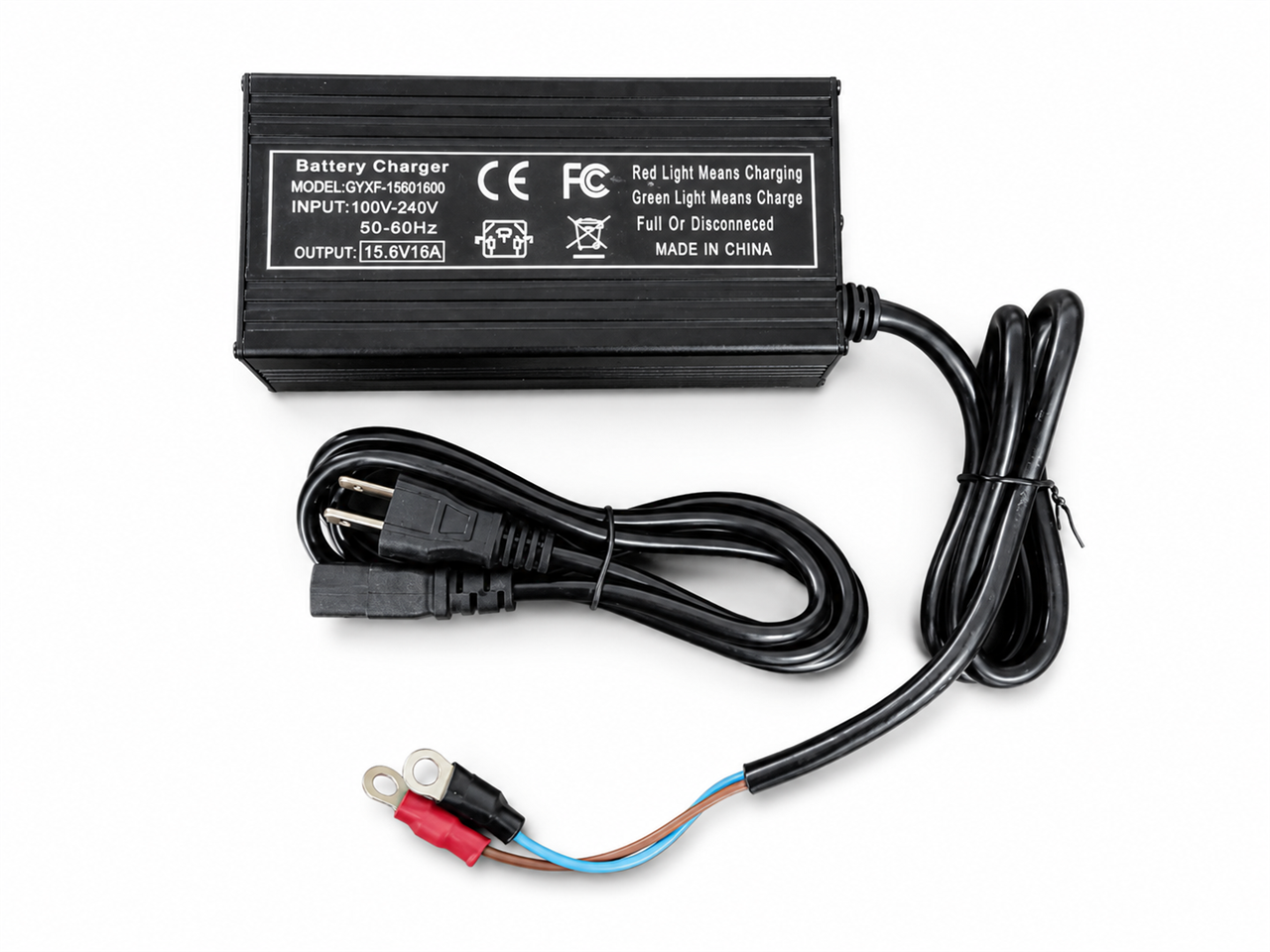
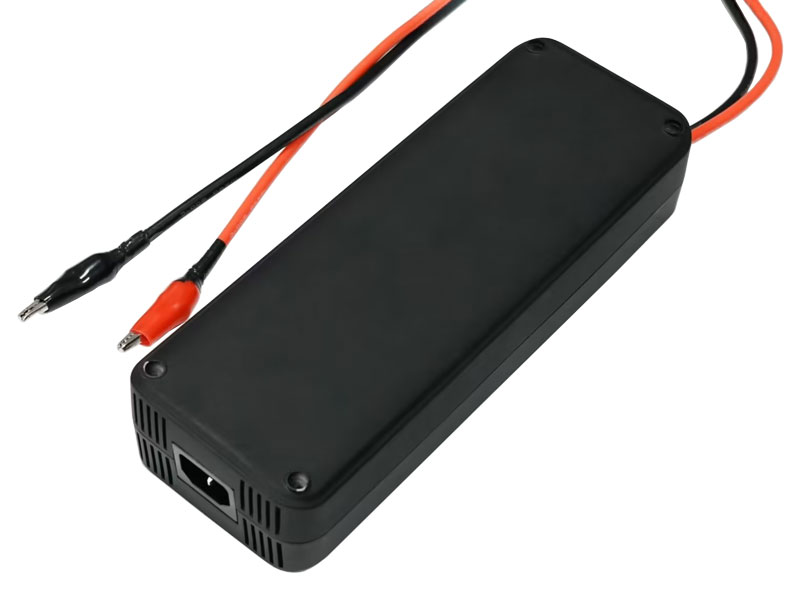
Critical infrastructures require stable, reliable energy storage to operate independently of external influences. Sodium-Ion Batteries provide exactly this capability. They can be used directly as replacements for lead-acid batteries, as the charging electronics are compatible. Operators can modernize systems without structural modifications, ensuring long-term energy availability.
Higher performance in a compact design
With an energy density of 100 to 160 Wh per kilogram, Sodium-Ion Batteries deliver significantly more energy than lead-acid batteries, which only achieve 30 to 50 Wh per kilogram. At the same time, the storage systems reach 2,000 to 5,000 charge cycles, outperforming lead-acid batteries that typically need replacement after 300 to 500 cycles. Their lifespan exceeds ten years, allowing operators to reduce costs and increase supply security.
Environmentally friendly energy storage
The technology stands out for its ecological advantages. Sodium is non-toxic, abundant, and does not produce hazardous waste. The batteries contain no heavy metals such as lead or cobalt and are easier to recycle. This makes
Sodium-Ion Batteries a sustainable alternative to lithium and lead-based systems.
Production in Europe and future supplier independence
Manufacturing Sodium-Ion Batteries in the EU is realistic. European production reduces dependency on international raw material suppliers, minimizes political influence, and ensures long-term availability. Research results from the
Fraunhofer Institute confirm the potential of this technology. The
International Energy Agency also highlights its importance for stable energy systems.
Safe storage and easy integration
Sodium-Ion Batteries remain stable across a wide temperature range from
-40°C to +60°C. This high
temperature tolerance significantly reduces the risk of thermal damage, providing a low fire risk. They can be stored practically anywhere. Additional cooling technology or structural protection measures are not required. Even at zero volts, the cell structure remains intact. Operators can deploy storage systems flexibly in boats, RVs, garages, or stationary installations and operate them reliably under extreme climate conditions.
Conclusion:
Sodium-Ion Batteries strengthen critical infrastructures, enable sustainable energy supply, and reduce dependence on raw material suppliers. Operators benefit from higher energy density, long lifespan, and easy integration.